

Spiritual Essence of Bali
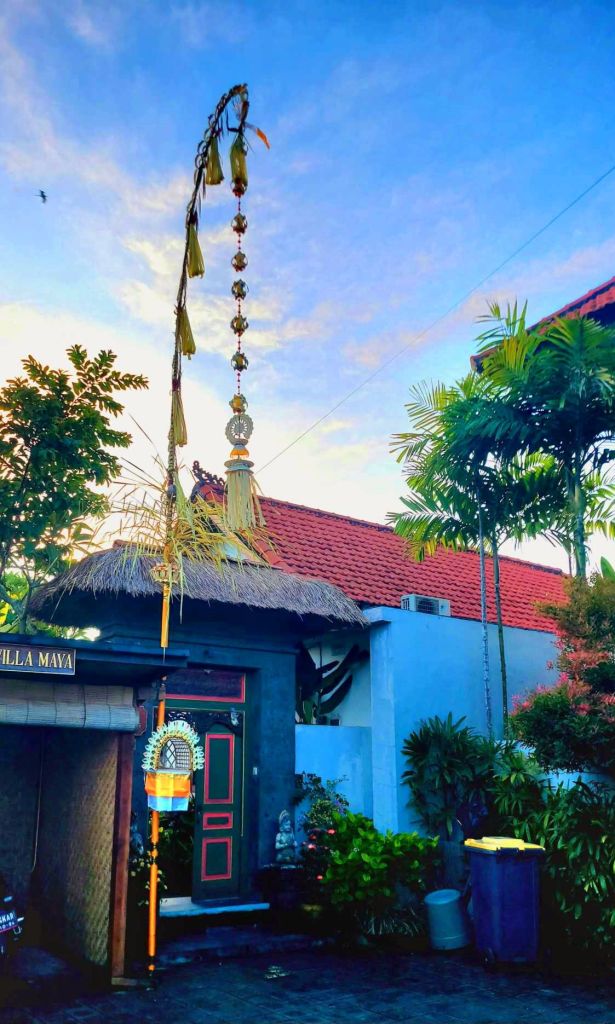
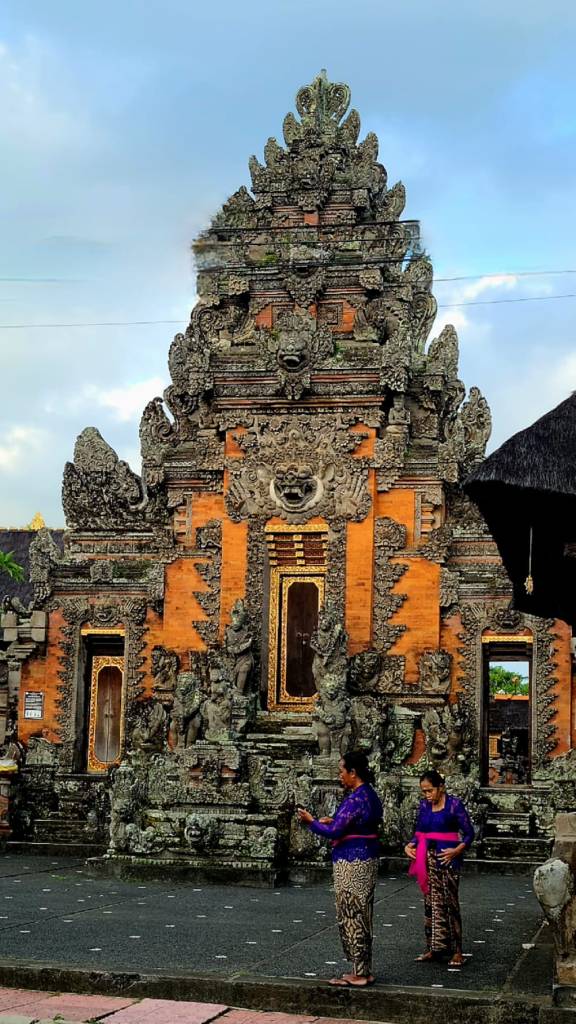
The heart of Bali’s culture lies in its spirituality. Hinduism is the predominant religion on the island, and its influence is evident in every aspect of daily life. Bali is adorned with countless temples, ranging from small village shrines to majestic complexes, each with its own significance and rituals.
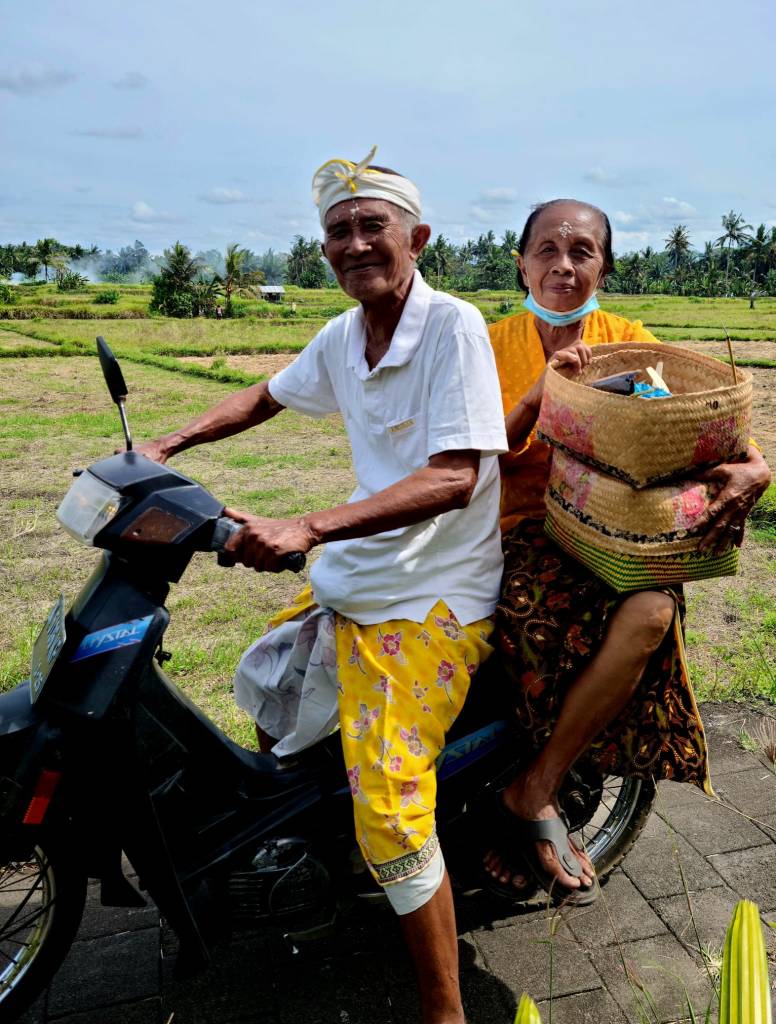
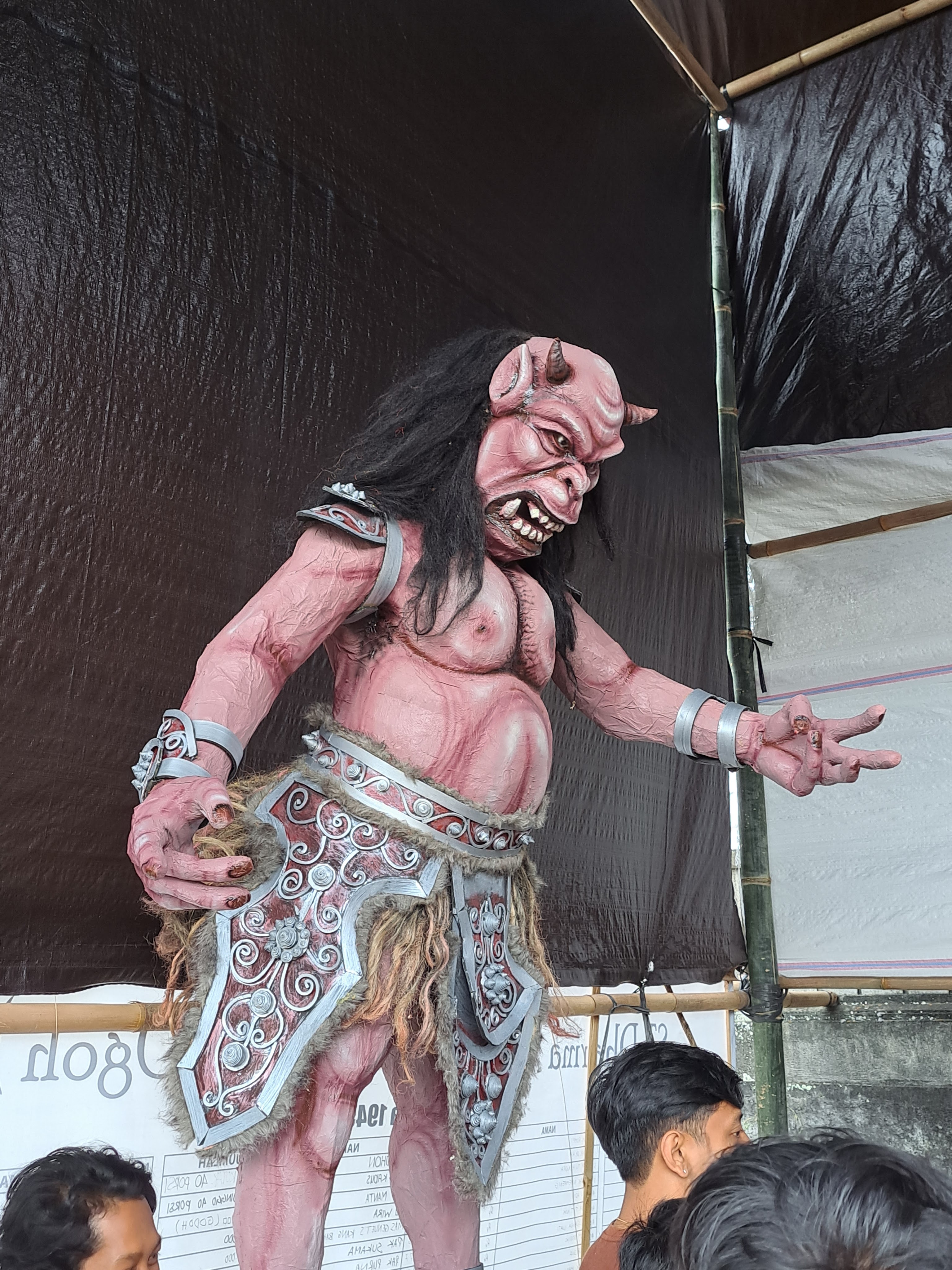
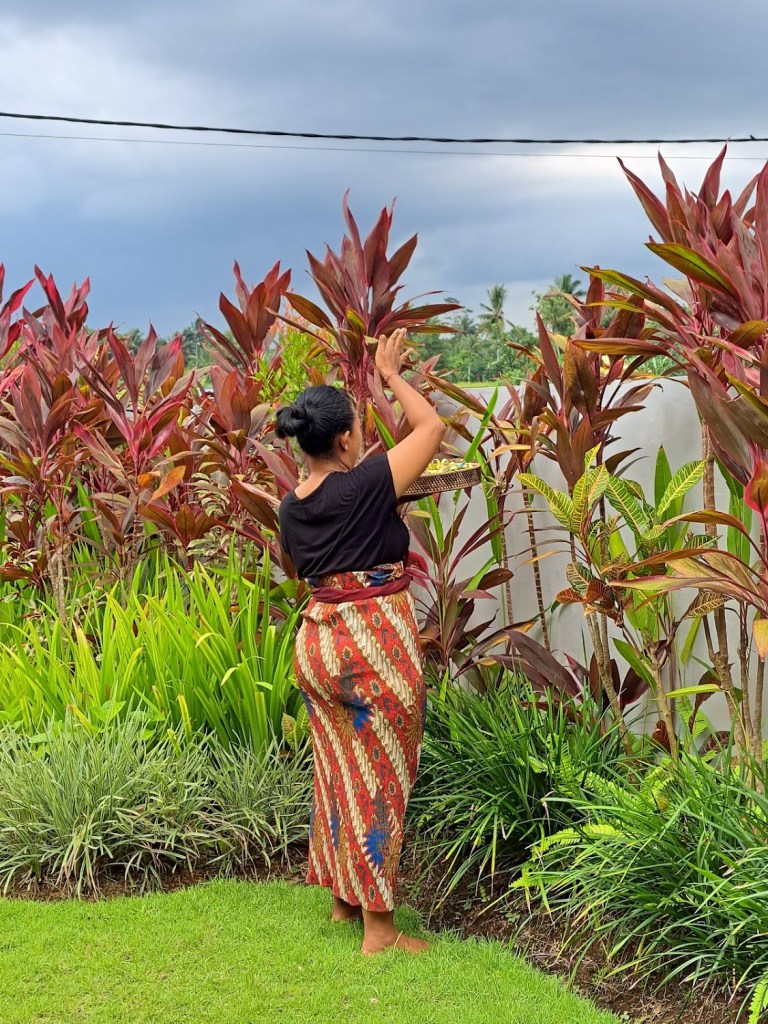
Balinese people hold religious ceremonies and festivals throughout the year, celebrating various occasions like Galungan, Nyepi (the Day of Silence), and Odalan (temple anniversaries). These ceremonies involve colourful processions, traditional dances, and offerings to the gods, creating a vibrant tapestry of faith and devotion.
Cultural Etiquette for Travellers
As with any destination, travellers to Bali are expected to observe certain cultural etiquette to show respect for the local customs and traditions. Here are some essential tips:
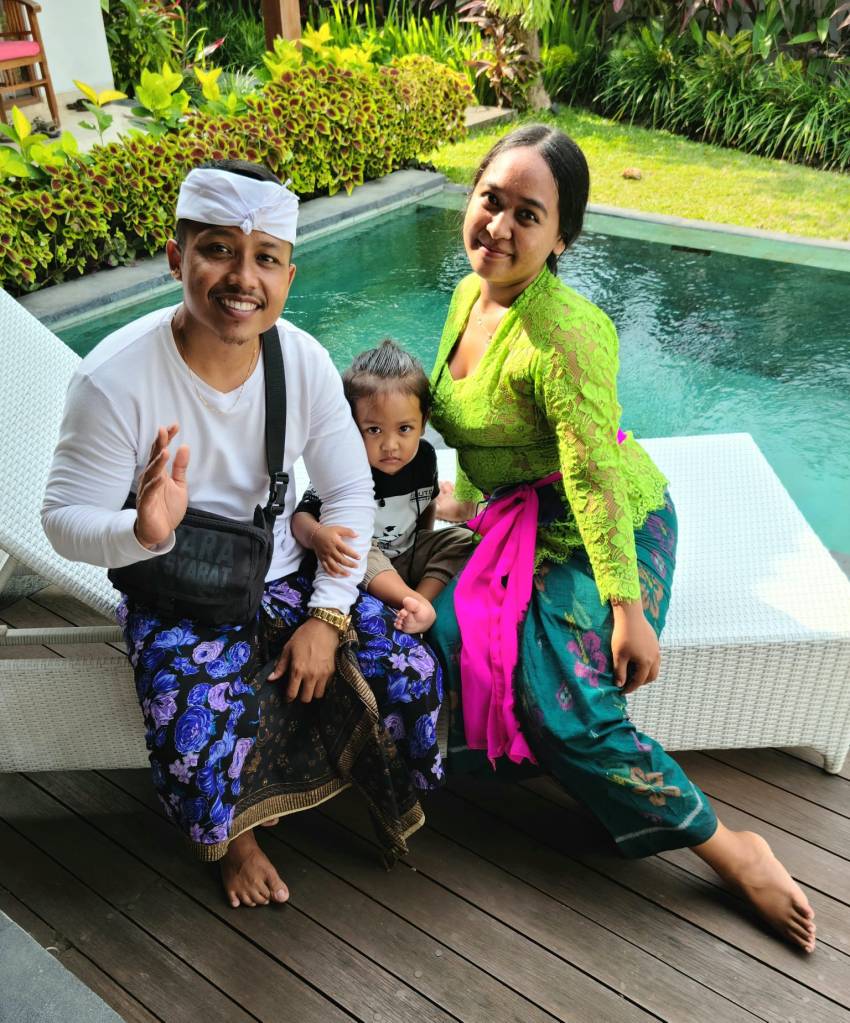
- Dress Modestly: When visiting temples or attending religious ceremonies, it’s important to dress modestly. Both men and women should cover their shoulders and knees as a sign of respect.
- Remove Shoes: Before entering a temple or someone’s home, it is customary to remove your shoes as a sign of humility and cleanliness.
- Show Respect During Ceremonies: If you happen to witness a religious ceremony or cultural performance, maintain silence and refrain from disrupting the proceedings.
- Avoid Pointing: In Balinese culture, pointing with the index finger is considered impolite. Instead, use your thumb or gesture with an open hand.

 Villa Maya Ubud